In the context of rapid globalization and the pressing global "Dual Carbon" goals (Carbon Peaking and Carbon Neutrality), the Autoclaved Aerated Concrete (AAC) industry is standing at a pivotal transformation point. As the demand for sustainable building materials rises, the equipment that produces them must evolve to meet higher standards of efficiency and environmental responsibility.
At KEDA SureMaker, we observe four distinct trends shaping the next generation of AAC production: Smart Manufacturing, Green Manufacturing, Customization, and Large-Scale Production.
Here is an in-depth look at how specific equipment innovations are redefining our industry.
1. Smart Manufacturing: From General Automation to Specific Solutions
The traditional AAC plant is evolving into a smart, data-driven ecosystem. Intelligence is no longer just about automated buttons; it is about specific machines taking over complex, repetitive tasks to ensure consistency and safety.
Smart Raw Material Preparation: We have moved beyond manual adjustments. Modern systems now feature Automatic Grinding Media Replenishment Systems and intelligent batching systems. These systems automatically calculate and adjust recipes based on real-time density detection and temperature collection, ensuring the slurry is optimal before the process even begins.
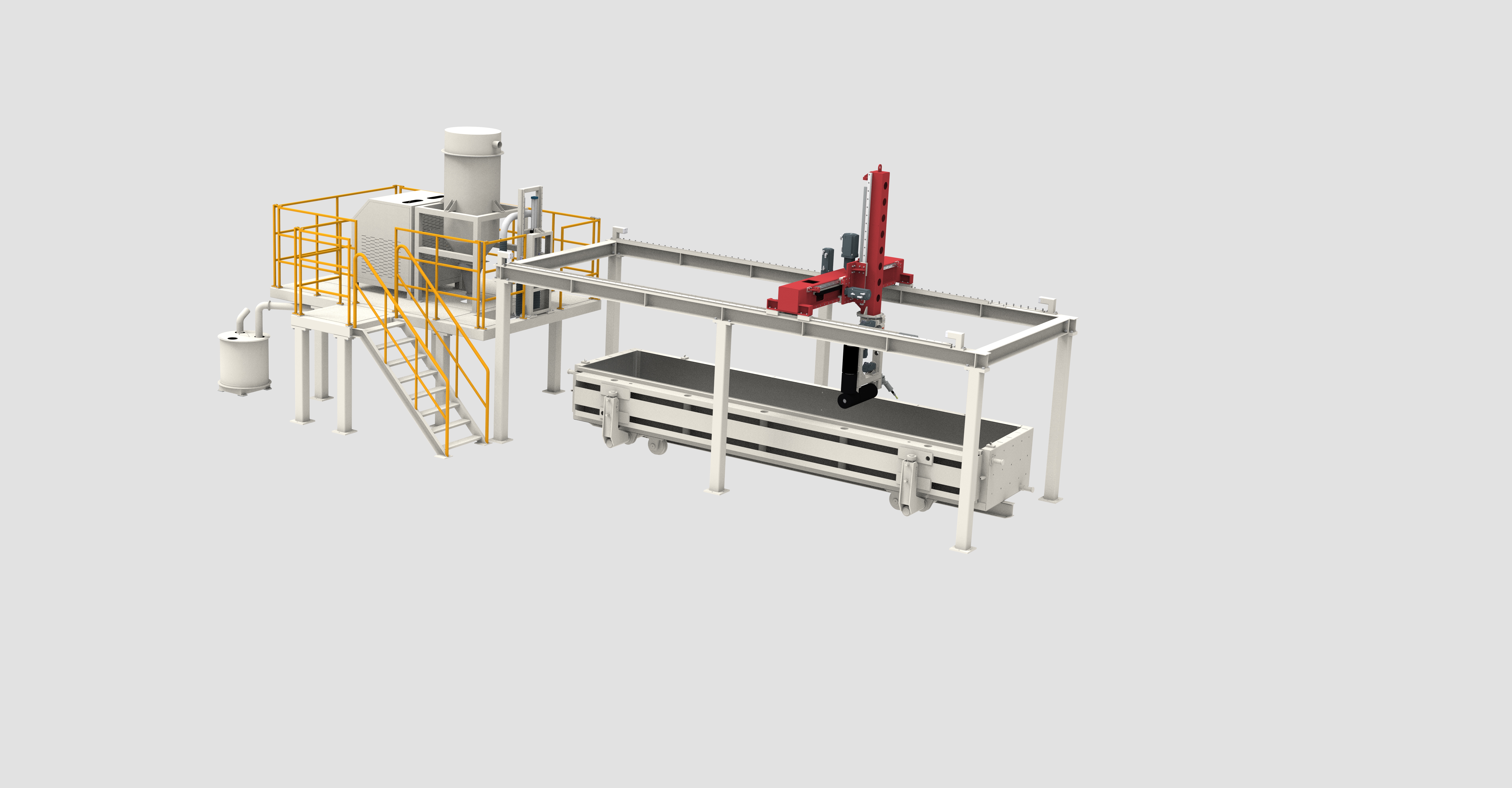
The End of Manual Cleaning: A prime example of targeted automation is the Automatic Mold Cleaning Machine. Positioned on the return track, this equipment automatically clears and collects waste residue from the molds. This innovation eliminates one of the most labor-intensive and messy tasks in the plant, ensuring a pristine mold for the next cycle without human intervention.
Automated Reinforcement: Efficiency is also evident in the Automatic Mesh Assembly System. Capable of handling various specifications (50/75/100/125/150mm/200mm, etc.), this system achieves a production rhythm of just 2.5 to 4 minutes per mold, significantly outpacing traditional manual assembly methods.
AI-Driven Safety: The integration of AI vision is revolutionizing safety management. Systems can now automatically detect personnel in dangerous zones or verify safety gear usage, triggering immediate alarms to prevent accidents.
2. Green Manufacturing: Energy Efficiency as a Standard
"Green Solution, Greener Life" is not just a slogan; it is an engineering mandate focused on reducing consumption and utilizing renewable resources.
Steam Management & Heat Recovery: The autoclave section is typically the largest energy consumer in one AAC plant. Through automatic gas distribution, waste heat recovery, and automatic hydrophobic systems, modern plants can achieve up to 20% energy savings. We are also actively tackling emissions by implementing systems that eliminate "white smoke," noise, and odors.
Servo Hydraulic Applications: Replacing traditional hydraulics with Servo Hydraulic Systems offers faster response times and significantly lower energy consumption. In recent case studies, such as the Maanshan Hengda project, this shift saved approximately $10000 USD annually in electricity and hydraulic oil costs alone.
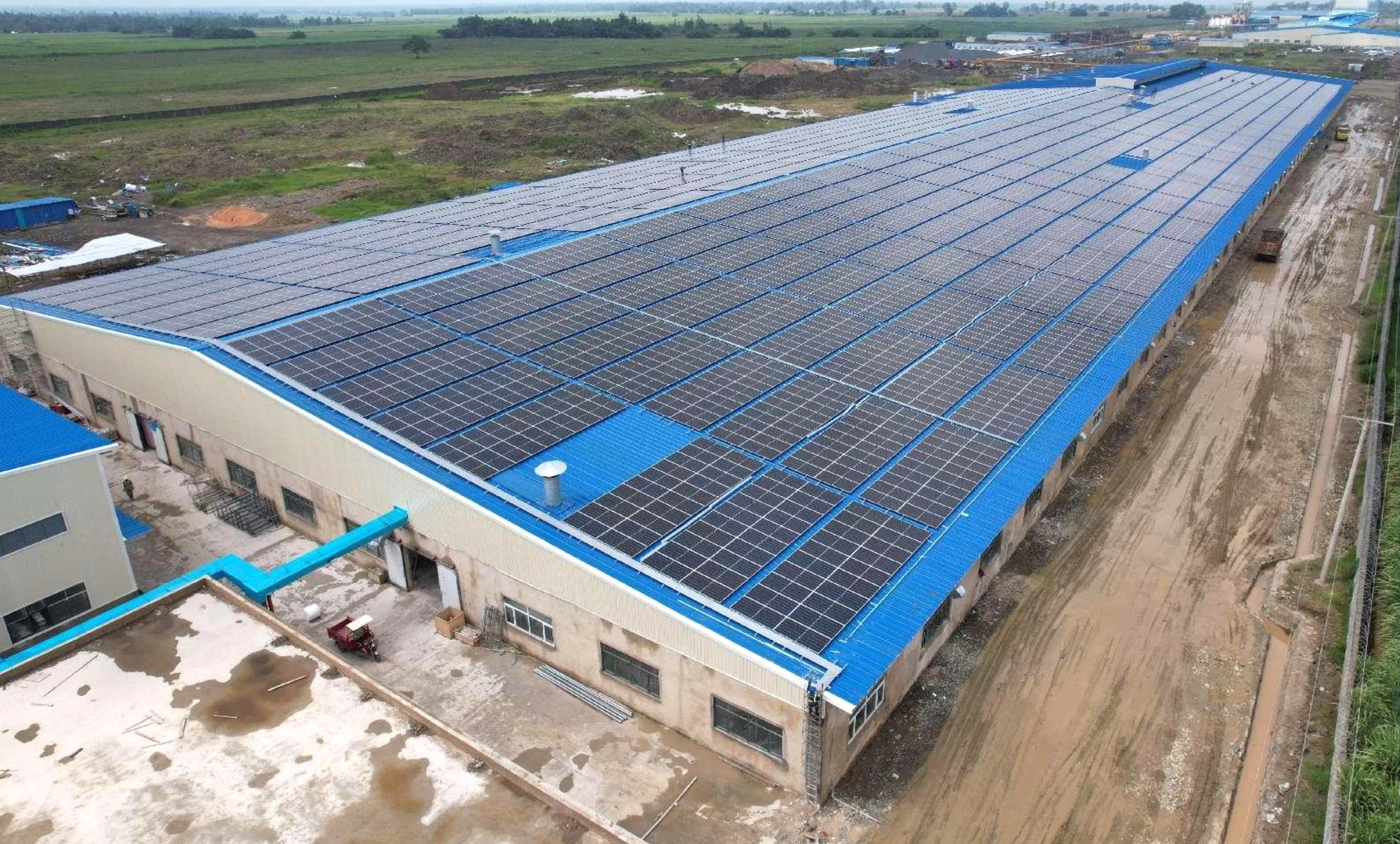
Photovoltaic (PV) Integration: A major trend is utilizing the vast roof space of AAC plants for Building Applied Photovoltaics (BAPV). This not only generates green electricity to offset plant consumption but also protects the roof, extending its lifespan.
3. Customization: Adapting to Diverse Market Needs
One size no longer fits all. As the global market shifts from standard blocks to panels, and towards higher precision products, equipment must be flexible.
Thin Panel Solutions: To meet the rising demand for thin AAC panels, we have developed the "Flat Cake Autoclaving + Green Cake Separation" technology. This method significantly reduces breakage rates and allows for a 1-2mm gap during separation, which improves autoclaving efficiency and product quality.
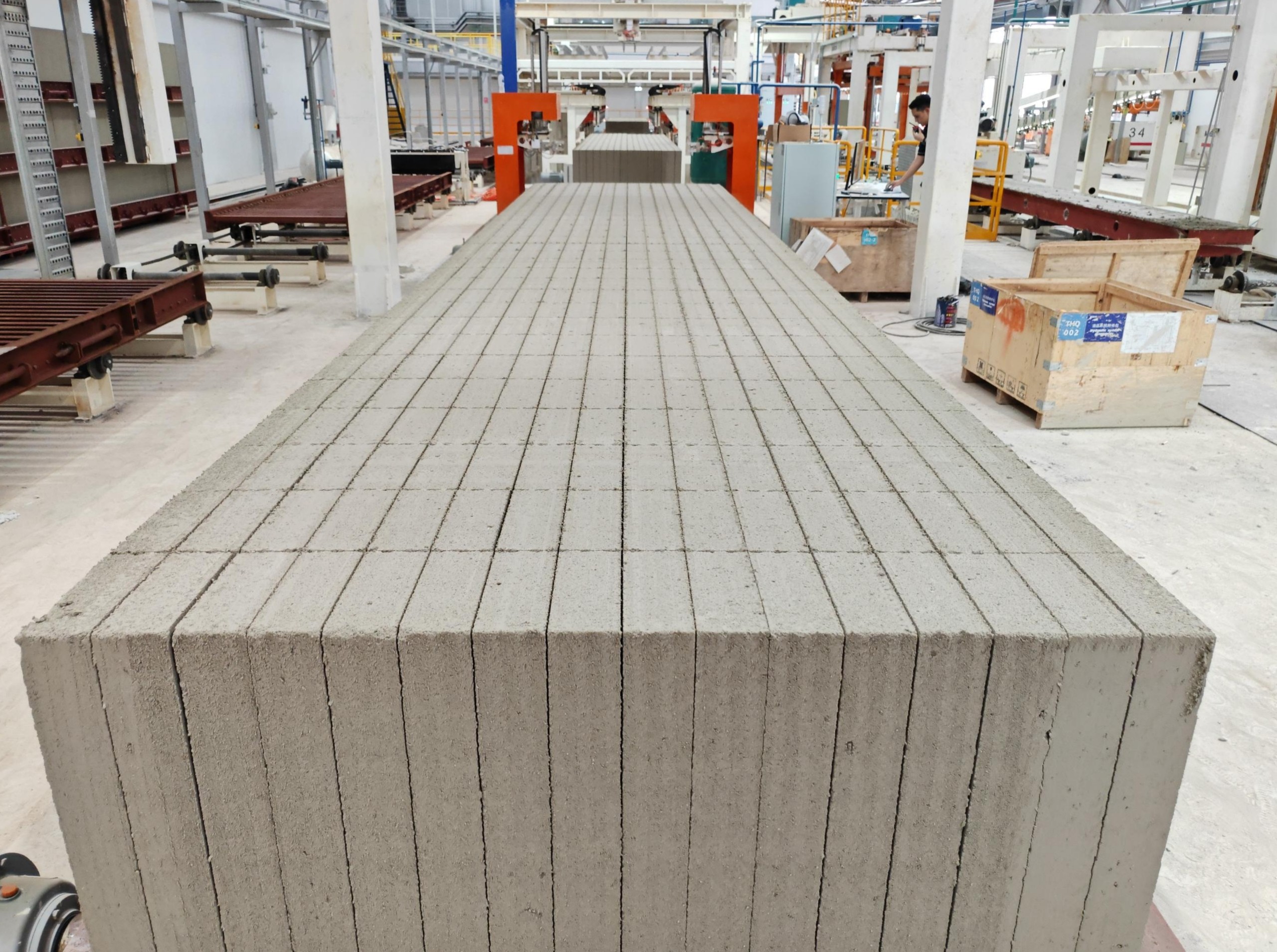
Specialized Processing: Innovations like the Specialized Grooving Station and Lintel Production Systems allow producers to offer high-value, application-specific products to their customers.
Flexible Packaging: The market requires versatility in logistics. Advanced packaging lines can now seamlessly switch between palletized and pallet-free packaging modes, adapting to different transportation requirements without stopping production.
4. Large-Scale Production: Engineering for Speed
To meet global infrastructure demands, capacity is a key to success. KEDA SureMaker has engineered specific machines to break previous speed limits and support large-scale output.
Breaking the Cycle Time Barrier: We are pushing the limits of physics in the plant to achieve a 45-second cycle per mold in critical sections.
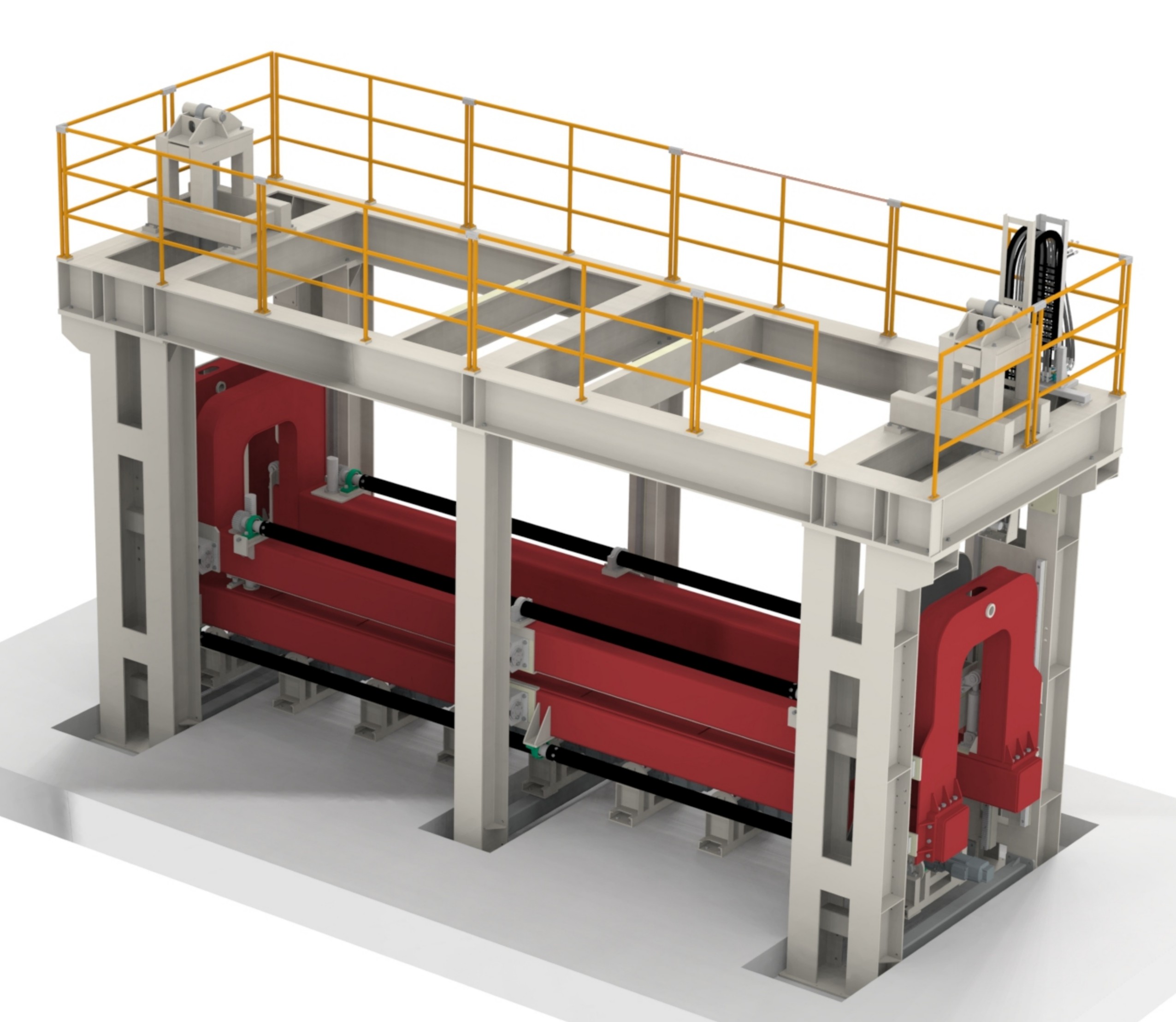
Double-Station Overhead Trimming Machine: To support this high speed, we introduced a double-station trimming (peeling) machine. Its suspended, hollow structure prevents material accumulation and reduces civil engineering costs, ensuring continuous high-speed operation with minimal maintenance.
High-Capacity Clamp-Type Separator: Traditional separators often bottleneck production with slower cycles. Our updated clamp-type separator has drastically cut the operation time to under 90 seconds (200mm product, down from traditional 2.5 minutes), ensuring that the separation process keeps pace with the fastest production lines.
High-Speed Mixing: New high-speed mixers running at 1500 rpm ensure that slurry preparation never lags behind the casting schedule, supporting high-volume output.
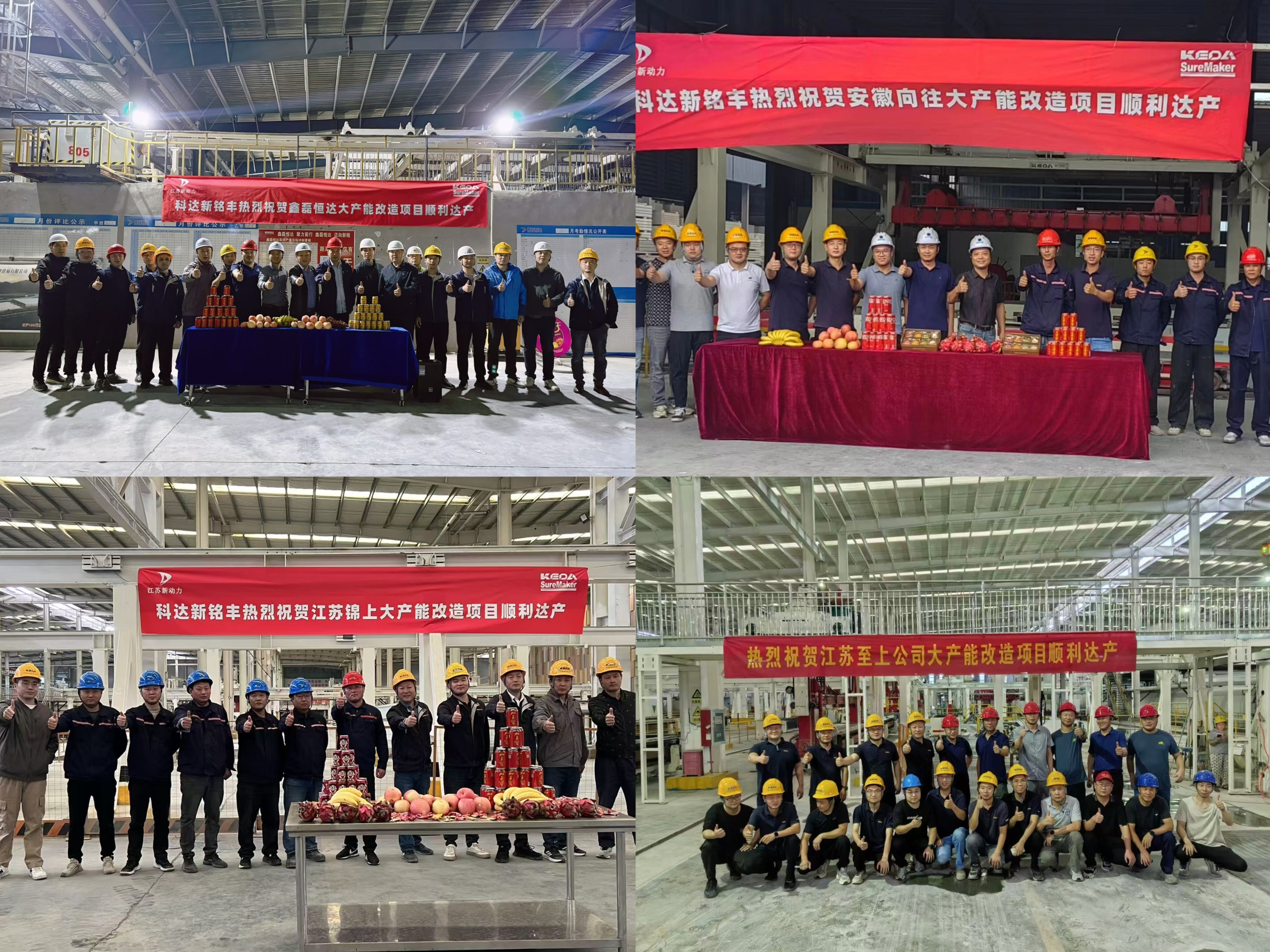
We have completed large-capacity upgrades for four AAC plants in China, each achieving the target daily output of 600 moulds of panels.

The Future: The "Lights-Out Factory"
Where do these trends lead? They converge at the concept of the "Lights-Out Factory" (or Dark Factory)—a production environment driven by big data and AI that requires minimal human intervention.
This evolution represents a fundamental shift in the nature of AAC manufacturing. We believe the entire industry is committed to making this vision a reality, moving away from traditional labor-intensive processes toward a future defined by precision, safety, and continuous optimization. By embracing this transition, we are not just upgrading machinery; we are collectively transforming AAC plants into sophisticated technology hubs that will define the standards of sustainable construction for decades to come.